
Most people focus on what they can see when it comes to their lawn.
Greener grass.
Thicker coverage.
Fewer bare spots.
But what actually determines how your lawn performs through the summer isn’t what’s above the surface. It’s what’s happening underneath.
In Central Virginia, spring is the window to build stronger root systems before heat, humidity, and dry periods put stress on your lawn. If roots are shallow or weak going into summer, no amount of watering or fertilizing later will fully fix it.
Why Root Strength Matters More Than You Think
A healthy root system is what allows your lawn to:
- access water deeper in the soil
- tolerate heat and drought
- recover from foot traffic and mowing
- resist disease and thinning
When roots are shallow, grass becomes dependent on frequent watering and is much more vulnerable to stress.
When roots are deeper and stronger, the lawn becomes more stable and resilient overall.
That difference shows up quickly once summer conditions hit.
Spring Is the Time to Build, Not Just Maintain
Spring is not just about making your lawn look better. It’s when the root system is actively growing and responding to changes in soil conditions.
In Central Virginia, the combination of warming soil and regular rainfall creates ideal conditions for root development. What you do during this period directly affects how your lawn performs in June, July, and August.
Waiting until summer to address root issues is too late. At that point, you are managing stress instead of preventing it.
Soil Compaction Is the First Thing to Address
One of the biggest barriers to strong root growth is compacted soil.
When soil is compacted:
- roots cannot grow deeper
- water cannot penetrate properly
- nutrients stay near the surface
This leads to shallow root systems, even if the lawn looks fine at first.
Core aeration is one of the most effective ways to fix this. By removing small plugs of soil, aeration creates space for roots to expand and for water and nutrients to move deeper into the ground.
For many lawns in Central Virginia, especially those with clay-heavy soil, this step makes a noticeable difference.
Watering the Right Way Encourages Deeper Roots
How you water your lawn directly affects how roots grow.
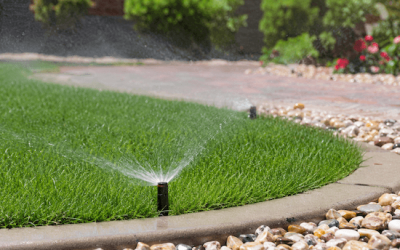
Frequent, light watering keeps moisture near the surface. That encourages roots to stay shallow, because they don’t need to grow deeper to find water.
Less frequent, deeper watering pushes moisture further into the soil. This encourages roots to follow, resulting in a stronger and more drought-resistant lawn.
In spring, you may not need to water much at all due to regular rainfall. But when you do, it should be done in a way that promotes depth, not dependency.
Mowing Height Impacts Root Growth
Mowing is one of the most overlooked factors in root development.
Cutting grass too short forces the plant to focus on regrowing blades instead of expanding its root system. Over time, this weakens the lawn and makes it more vulnerable to stress.
Keeping your grass slightly taller in spring allows for better energy production through photosynthesis, which supports deeper root growth.
It also helps shade the soil, which reduces moisture loss and keeps conditions more stable.
Fertilization Needs to Be Balanced
Fertilizer can help your lawn grow, but it needs to be used correctly.
Too much nitrogen too early in the season can push rapid top growth without supporting root development. This creates a lawn that looks good temporarily but struggles later.
A balanced approach to fertilization supports both top growth and root strength. It provides the nutrients the lawn needs without forcing it into growth patterns that aren’t sustainable.
This is another area where timing matters.
Overseeding Helps Fill and Strengthen
Overseeding in spring can improve density and strengthen your lawn overall.
Thicker grass coverage reduces competition from weeds and helps the lawn retain moisture more effectively. It also creates a more consistent root system across the yard.
While fall is typically the best time for major overseeding, spring overseeding can still be effective when done correctly, especially in areas that thinned out over winter.
Organic Matter Improves Soil Over Time
If your soil struggles with drainage or compaction, adding organic material can improve it gradually.
Compost helps:
- break up dense soil
- improve water movement
- support microbial activity
Over time, this creates a healthier environment for roots to grow deeper and more consistently.
This is not an instant fix, but it is one of the most effective long-term improvements you can make.
Weed Control Plays a Role
Weeds compete with grass for water and nutrients.
If weeds are allowed to take over early in the season, they can limit how much your lawn’s root system develops. That competition can weaken the lawn before summer even begins.
Pre-emergent treatments and early weed control help protect the space your lawn needs to grow stronger roots.
What Happens If You Skip This Step
If root development is ignored in spring, the effects show up quickly in summer.
Lawns may:
- dry out faster
- develop brown or thin patches
- require constant watering
- struggle to recover from stress
At that point, you are reacting to problems instead of preventing them.
A Strong Lawn Starts Below the Surface
It’s easy to focus on appearance, but long-term lawn health is built below the surface.
When roots are strong, everything else becomes easier:
- watering becomes more effective
- mowing stress is reduced
- the lawn stays greener longer
- recovery is faster
Spring is the time to build that foundation.
A Final Thought
At Jack’s Lawn Care & Landscaping, we help homeowners throughout Central Virginia build stronger, healthier lawns from the ground up. Our lawn care services include core aeration, overseeding, soil improvement, and seasonal lawn maintenance designed to strengthen root systems and improve long-term turf health. If your lawn struggled through last summer, spring lawn care is the time to fix the root of the problem before heat and dry conditions set in.