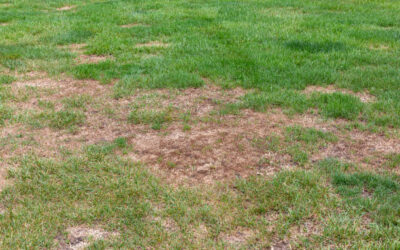

Spring is one of the most important times of year for your landscape. Grass begins growing again, shrubs push out new leaves, flowers start to return, and everything begins shifting out of winter dormancy. It is also the season when your yard needs the right support to look clean, healthy, and well cared for as the warmer months begin.
That is where spring mulching makes a real difference.
Mulch is often thought of as a finishing touch, something added to make landscape beds look fresh. And while a clean layer of mulch does improve curb appeal right away, its value goes far beyond appearance. When applied correctly, mulch helps protect the soil, regulate moisture, suppress weeds, support plant health, and create a cleaner, more polished landscape.
For homeowners in Charlottesville and Albemarle County, spring mulch is one of the simplest ways to prepare a yard for the growing season ahead.
Mulch Gives Your Landscape an Immediate Refresh
One of the first things people notice about a landscape in spring is the condition of the beds.
After winter, mulch can look faded, thin, or uneven. Leaves and debris may collect around shrubs, and landscape beds often need a fresh reset before the growing season really gets going.
A fresh layer of mulch gives those beds a cleaner, more finished look.
A clean layer of mulch creates contrast around plants, defines landscape beds, and makes the entire property look more maintained. It helps the colors of shrubs, flowers, and trees stand out. It also creates a neat, finished look around walkways, foundations, patios, and outdoor spaces.
That immediate curb appeal matters. Whether you are pulling into your driveway, welcoming guests, or preparing your home for the season, fresh mulch gives the landscape a cleaner and more intentional appearance.
But appearance is only part of the reason mulch matters.
Mulch Helps Protect the Soil
Healthy landscapes begin with healthy soil. The soil around shrubs, trees, and plant beds is constantly affected by weather, temperature changes, foot traffic, rain, and sun exposure.
Without protection, soil can become compacted, dry out quickly, or wash away during heavy spring rains. Mulch acts like a protective layer over the soil surface.
It helps reduce erosion, soften the impact of rainfall, and protect the soil from direct sun exposure. This is especially helpful in areas where beds slope, where water tends to move quickly, or where soil is exposed around shrubs and trees.
In a place like Charlottesville, where spring weather can shift from cool and damp to warm and sunny quickly, mulch helps create a more stable environment for plants as they begin their active growing season.
Mulch Helps Retain Moisture
Spring can bring plenty of rain, but once the weather warms up, landscape beds can dry out faster than many homeowners realize.
Mulch helps hold moisture in the soil by slowing evaporation. This gives plant roots better access to water and helps reduce stress during warm, dry stretches.
That matters for shrubs, trees, perennials, and newly planted landscapes. Plants that have steady access to moisture are better able to grow, bloom, and handle the transition into summer.
Mulch does not replace watering when plants need it, but it helps the water that is already in the soil stay there longer. That can make a noticeable difference in plant health, especially as temperatures rise.
Mulch Helps Suppress Weeds
Weeds are one of the most frustrating parts of spring landscape maintenance. Once temperatures warm up and the sun returns, weeds can appear quickly in open beds.
A proper layer of mulch helps reduce weed growth by limiting sunlight at the soil surface. Without enough light, many weed seeds have a harder time germinating.
Mulch will not stop every weed, but it can make a big difference. Beds that are mulched consistently are often easier to maintain throughout the season because fewer weeds take hold, and the ones that do appear are usually easier to remove.
The key is proper installation. Mulch that is too thin may not suppress weeds well. Mulch that is too thick can create other problems. A balanced layer helps keep beds cleaner without smothering plant roots.
Mulch Helps Regulate Soil Temperature
Spring weather can be unpredictable. Cool mornings, warm afternoons, late cold snaps, and early heat are all part of the season.
Mulch helps buffer the soil against those temperature swings.
It keeps soil cooler during warm days and helps insulate roots when temperatures drop. This is especially helpful for shallow-rooted plants, young shrubs, and perennials that are just beginning to emerge.
Root health is one of the most important parts of plant health. When roots are protected from extreme shifts in temperature, plants are better able to establish, grow, and recover from seasonal stress.
Mulch Supports Trees and Shrubs
Trees and shrubs benefit greatly from proper mulching, but only when it is done correctly.
A mulch ring around a tree or shrub helps reduce competition from grass and weeds, protects roots, and creates a clean boundary between lawn and plantings. It can also help prevent mower or trimmer damage near the base of the plant.
However, mulch should never be piled against the trunk or stems. This is often called “volcano mulching,” and it can trap moisture against the bark, encourage rot, and create conditions for pests or disease.
Good mulching leaves space around the base of the plant. The mulch should be spread evenly over the root zone, not packed up against the trunk.
When done correctly, mulch supports plant health while making the landscape look cleaner and more finished.
Mulch Makes Landscape Maintenance Easier
Spring mulch does more than make beds look better. It can make the rest of the season easier to manage.
Defined beds are easier to maintain. Weed pressure is reduced. Soil moisture is more stable. Edges look cleaner. Plants have a better growing environment.
All of that adds up.
A yard that is mulched properly in spring is often easier to keep looking good through summer. It creates a foundation for mowing, edging, trimming, and seasonal maintenance. Instead of constantly trying to catch up with weeds and messy beds, homeowners can start the season with a cleaner, more organized landscape.
That is why mulch is such an important part of a spring cleanup.
Choosing the Right Mulch Matters
Not all mulch is the same, and the right choice depends on the look of the property, the type of beds, and the plants being protected.
Hardwood mulch is a common choice because it has a natural look and breaks down over time, adding organic material back into the soil. Dyed mulches can provide a more uniform color and strong visual contrast. Pine bark and other options may be used depending on the landscape style and plant needs.
The goal is to choose mulch that improves the look of the landscape while supporting the health of the soil and plants.
Color also matters from a design perspective. Fresh mulch should complement the home, plantings, and overall style of the property. The right mulch can make beds feel warmer, cleaner, and more intentional.
How Much Mulch Is Too Much?
Mulch is helpful, but more is not always better.
Too little mulch may not provide enough weed control or moisture retention. Too much mulch can hold excess moisture, limit airflow, and create problems for plant roots.
In most landscape beds, a moderate, even layer is best. Existing mulch should also be considered. If old mulch is still thick, adding too much new mulch on top can build up over time and create a heavy layer that does more harm than good.
Before adding fresh mulch, beds should be cleaned out, weeds removed, edges defined, and old mulch evaluated. This helps ensure the new mulch is applied correctly instead of simply covering up problems.
Why Spring Is the Best Time to Mulch
Spring is an ideal time to mulch because it prepares the landscape before the heat and weed pressure of summer arrive.
Mulching in spring helps beds look fresh right when outdoor spaces begin getting more use. It also supports plants as they enter their most active growing season.
By applying mulch before weeds take over and before soil begins drying out from summer heat, homeowners can get ahead of many common landscape problems.
Spring mulching works especially well when paired with other seasonal services, such as bed cleanup, edging, shrub pruning, mowing, and lawn care. Together, these services help the entire property feel ready for the season.
Final Thoughts
Spring mulching is one of the most effective ways to improve both the appearance and health of your landscape. It refreshes the look of your beds, helps protect the soil, supports plant growth, reduces weeds, and makes your yard easier to maintain as the season moves forward.
A well-mulched landscape looks cleaner from the curb, but it also functions better beneath the surface.
At Jack’s Lawn Care & Landscaping, we help homeowners in Charlottesville, Albemarle County, and the surrounding area get their properties ready for the growing season with professional mulching, lawn care, mowing, shrub trimming, hedge trimming, property cleanups, edging, and landscape maintenance services. Whether your beds need a fresh layer of mulch, your shrubs need seasonal attention, or your yard needs a complete spring cleanup, let us help keep your landscape healthy, polished, and ready for the season ahead.