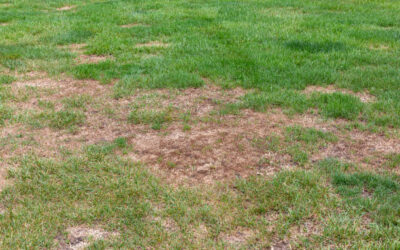

Early spring in Charlottesville brings warmer afternoons, longer daylight, and the first signs of green returning to the landscape. After months of winter dormancy, it is tempting to rush outside and start “fixing” the lawn.
However, many of the most common early spring lawn problems in Central Virginia are not caused by neglect. They are caused by acting too quickly.
Virginia’s clay-heavy soil and variable March weather require a more strategic approach. Avoiding these common early spring lawn mistakes can set your yard up for a healthier, more resilient growing season.
1. Mowing Too Early
One of the most frequent mistakes homeowners make is mowing before the lawn is ready.
In March, grass may begin to green up before it is actively growing. Cutting too soon, especially when soil is still damp, can:
- Tear tender grass blades
- Compact soft clay soil
- Create ruts
- Stress shallow root systems
Cool-season grasses common in Central Virginia benefit from allowing the soil to warm properly before the first mow. Waiting until growth is consistent and the lawn is dry helps protect turf health.
2. Walking or Working on Saturated Soil
Charlottesville often experiences steady rainfall in early spring. Clay soil holds moisture longer than sandy soil, which means lawns can remain soft well after a storm passes.
Heavy foot traffic, mowing, or equipment use on wet soil compresses it further. Compacted soil reduces oxygen flow to roots and limits nutrient uptake.
Even simple tasks like raking aggressively or dragging hoses across a soft lawn can cause damage that becomes visible later in the season.
Patience during wet periods is one of the most important early spring strategies.
3. Fertilizing Too Soon
Warm air temperatures do not always mean warm soil temperatures. Clay soil in Albemarle County warms slowly, especially after a wet winter.
Applying fertilizer too early can stimulate top growth before roots are fully active. This leads to:
- Weak, shallow roots
- Increased disease susceptibility
- Uneven growth patterns
A thoughtful fertilization schedule based on soil conditions, not just the calendar, produces better long-term results.
4. Skipping Pre-Emergent Weed Control
While some homeowners fertilize too early, others delay pre-emergent weed control too long.
Crabgrass and other annual weeds begin germinating when soil temperatures reach a certain threshold. In Central Virginia, this can occur in early to mid-spring.
Missing the ideal pre-emergent window allows weeds to establish before the lawn is fully active. Once germination occurs, prevention becomes more difficult.
Timing matters. Applying pre-emergent too late reduces effectiveness significantly.
5. Cutting Grass Too Short
When growth resumes, many homeowners cut their grass shorter than recommended, thinking it will delay the next mow.
In reality, cutting too short weakens the turf. Short grass:
- Develops shallower roots
- Dries out faster
- Allows more sunlight to reach weed seeds
- Struggles during summer heat
Maintaining proper mowing height in spring encourages stronger root development and thicker turf.
6. Ignoring Soil Compaction
Virginia clay soil compacts naturally over winter due to freeze-thaw cycles and reduced biological activity.
Ignoring compaction can lead to:
- Poor drainage
- Patchy growth
- Thin turf
- Increased runoff
Core aeration relieves compaction by allowing oxygen, water, and nutrients to penetrate deeper into the soil. In Central Virginia, this is often one of the most impactful services for long-term lawn health.
7. Overseeding at the Wrong Time
Overseeding can improve thin or patchy areas, but timing is critical.
Early spring overseeding in clay-heavy soil can struggle due to fluctuating temperatures and competition from pre-emergent applications. Many cool-season grasses establish more successfully in the fall.
Without proper preparation and soil conditions, spring seeding may result in uneven germination.
8. Overwatering Too Soon
Spring rains often provide sufficient moisture. Adding supplemental irrigation too early can oversaturate clay soil.
Excess water:
- Encourages fungal growth
- Reduces root oxygen
- Promotes shallow root development
Allowing natural rainfall to support early growth is typically sufficient unless drought conditions develop.
9. Focusing Only on Appearance
Perhaps the biggest early spring mistake is focusing solely on how the lawn looks rather than how it is developing below the surface.
Green color does not always equal strong roots.
Early spring is the time to build soil health, encourage deep rooting, and address compaction. Those decisions determine how well the lawn withstands Central Virginia’s summer heat and humidity.
A Smarter Approach to Spring Lawn Care
In Charlottesville and Albemarle County, early spring lawn care requires understanding how clay soil behaves. It requires monitoring soil temperature, respecting moisture levels, and timing treatments carefully.
Quick cosmetic fixes rarely produce lasting results.
Taking a measured approach in March leads to stronger turf by June.
If you are unsure whether your lawn is ready for mowing, fertilizing, or weed control, Jack’s Lawn Care & Landscaping can evaluate your property and recommend treatments tailored to Central Virginia soil conditions. Working with us ensures your lawn receives the right care at the right time, building a healthier foundation for the entire growing season.
In Central Virginia, successful lawn care depends on understanding local weather patterns, soil conditions, and the precise timing of aeration, fertilization, and weed control. Homeowners searching for lawn care in Charlottesville, Albemarle County lawn services, core aeration, or professional weed control need solutions built specifically for our region’s growing season. Strategic, region-specific lawn maintenance protects root development, improves drainage, and strengthens turf performance from early spring through summer heat.