In summer, a landscape can look great almost by default. Grass is green, plants are full, and even design flaws are often hidden behind growth. Winter, on the other hand, strips everything back. Without leaves, blooms, or lush turf to distract the eye, the true structure of a landscape is fully exposed.
For homeowners, this makes winter one of the most honest seasons your yard will ever show you. What works becomes obvious. What does not work becomes impossible to ignore. February, in particular, offers valuable insight into how well your landscape is designed, built, and maintained.
Winter Shows the Bones of Your Landscape
When plants go dormant, you are no longer evaluating your landscape based on color or fullness. You are looking at shape, spacing, and layout. This is when the “bones” of your yard become clear.
You may notice areas that feel unbalanced or empty. Shrubs that looked fine in summer may now appear awkwardly placed. Beds that seemed full might feel undefined or poorly shaped. Walkways and transitions between spaces become more noticeable when they are not softened by growth.
These observations are not cosmetic nitpicks. They point to design decisions that affect how a landscape feels year-round, not just during peak growing season.
Drainage Issues Are Easier to Spot in Winter
One of the most important things winter reveals is how water actually moves through your property.
During the growing season, grass and plants absorb a significant amount of moisture. In winter, dormant turf and compacted soil allow water to sit on the surface longer. February rains often make drainage patterns unmistakable.
You may notice pooling water in low areas, soggy soil near foundations, or runoff paths cutting through beds and lawns. These are not just seasonal annoyances. Poor drainage can lead to root damage, erosion, plant decline, and long-term structural issues.
Winter provides a clear picture of where drainage improvements may be needed before spring growth begins.
Hardscape and Edging Tell the Truth in Cold Weather
Freeze–thaw cycles can be hard on hardscapes. In winter, shifting soil and moisture changes may cause pavers, edging, and stonework to move or settle unevenly.
When everything is green, these issues are easy to miss. In winter, they stand out. Borders may look crooked. Stones may have shifted. Mulch may migrate out of beds, exposing soil or plant roots.
These details matter. Clean edges and stable hardscape elements are essential to a well-designed landscape. Winter reveals where reinforcement, repair, or redesign may be necessary to maintain long-term integrity.
Winter Highlights Traffic Patterns and Wear
Without thick turf growth, it becomes easier to see how people actually use a yard.
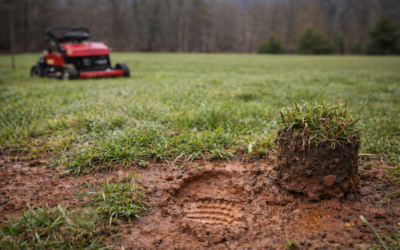
Paths worn into grass, compacted areas near doors, and muddy zones where foot traffic concentrates all become more visible in winter. These patterns often indicate where walkways, stepping stones, or alternative routes would better support daily use.
Ignoring these signs can lead to ongoing turf damage and maintenance challenges. Addressing them thoughtfully can improve both function and appearance.
Plant Placement Becomes More Obvious
Winter makes it clear which plants were chosen for structure and which were chosen only for seasonal interest.
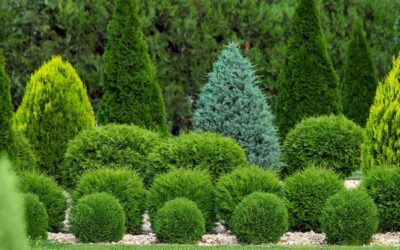
Shrubs and trees that maintain a pleasing shape in winter provide value year-round. Plants that disappear entirely may leave gaps in the design. This does not mean those plants were a mistake, but it does highlight the importance of balance.
A well-designed landscape considers all seasons. Winter is when you can see whether that balance exists or needs adjustment.
Soil Health and Compaction Are More Apparent
In February, soil often tells its own story. Areas that remain hard, slick, or slow to absorb water may be compacted. Compaction limits root growth, reduces oxygen availability, and interferes with healthy drainage.
Because growth is dormant, winter is an ideal time to identify where soil structure may need improvement. Aeration, organic matter, and grading adjustments are easier to plan when the problem areas are clearly visible.
Winter Reveals Maintenance Realities
A landscape that looks good in summer but struggles in winter may be relying on seasonal growth rather than strong design.
Winter reveals whether beds hold their shape, whether mulch stays in place, and whether plants are appropriately sized for their locations. It also shows how much ongoing maintenance is required to keep things looking intentional rather than neglected.
This information is invaluable when planning improvements. It helps homeowners invest in changes that reduce long-term maintenance rather than increase it.
Why February Is the Ideal Time to Evaluate
February sits at a unique point in the year. The landscape has settled into dormancy, but spring has not yet arrived to mask underlying issues. What you see now is an honest assessment of how your landscape performs when stripped to its essentials.
Taking note of what stands out in winter allows for proactive planning. Instead of reacting to problems once plants begin growing, you can address them thoughtfully and efficiently.
Turning Winter Observations Into Better Design
The goal of observing your landscape in winter is not to find faults. It is to understand how your yard truly functions and how it can be improved.
Noticing drainage patterns, structural weaknesses, or design imbalances now allows for smarter decisions in spring. It leads to landscapes that are more resilient, more functional, and more visually appealing throughout the year.At Jack’s Lawn Care & Landscaping, we view winter as an opportunity rather than an off-season. February provides a clear view of how a landscape is functioning beneath the surface, allowing for thoughtful planning and improvements that support healthier, more resilient outdoor spaces throughout the year. Winter landscape evaluation often highlights drainage issues, soil compaction, and hardscape stability in ways that influence long-term landscape design and smarter seasonal planning for spring.