
Repairing Summer Lawn Damage Before Winter
By the end of summer, Charlottesville lawns can look very different than they did in spring.
Months of heat, periods of dry weather, foot traffic, pets, mowing, and everyday use can leave grass thin, brown, compacted, or bare in places. Some lawns simply need time to recover as temperatures cool. Others need a little help before winter arrives.
For many Central Virginia lawns, fall is the best opportunity to repair summer damage and encourage stronger turf before the next growing season.
Here’s what to look for and what you can do this fall.
First, Determine Whether the Grass Is Dormant or Dead
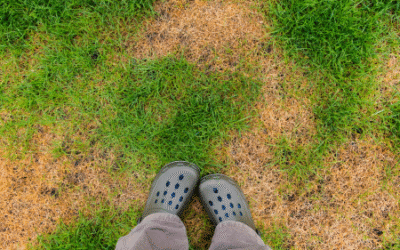
Brown grass after a hot, dry summer doesn’t necessarily mean your lawn is dead.
Cool-season grasses can enter dormancy during periods of heat and drought. Once temperatures cool and adequate moisture returns, living turf may begin producing new green growth.
Give stressed areas a chance to respond before assuming they need to be completely replaced.
Areas that remain bare or fail to recover may need reseeding or more extensive renovation.
Figure Out What Caused the Damage
Before repairing thin or bare areas, consider why they developed in the first place.
Common causes of summer lawn damage include:
- Heat and drought stress
- Heavy foot traffic
- Pets
- Soil compaction
- Improper mowing
- Poor drainage
- Too much shade
- Insects or disease
This step matters because simply adding new seed doesn’t correct the underlying problem.
For example, repeatedly reseeding an area with poor drainage won’t solve the drainage issue. Likewise, grass planted in an area that receives too little sunlight may continue to struggle regardless of how much seed you apply.
Understanding the cause gives you a better chance of making a repair that lasts.
Take Advantage of the Fall Growing Window
Timing matters when repairing a lawn.
Late summer through mid-fall is generally the best period to establish cool-season grasses in Virginia, including tall fescue, which is commonly used throughout the Piedmont region.
Warm soil helps seed germinate, while cooler fall air reduces some of the heat stress young grass would face during spring or summer establishment.
For Charlottesville homeowners, September through mid-October is an especially important window for repairing thin or damaged cool-season lawns before winter.
Repair Bare Areas Instead of Just Throwing Down Seed
Grass seed needs good contact with the soil to establish successfully.
For smaller bare areas, remove dead plant material and loosen the soil surface before seeding. This gives the new seed better contact with the soil and a better environment for germination and root development.
Simply spreading seed over hard soil or dead turf can significantly reduce the chances of successful establishment.
After seeding, the area also needs consistent moisture. New seed should generally be kept moist without leaving the soil saturated.
As the new grass becomes established, watering can gradually transition from light and frequent to deeper and less frequent irrigation that encourages stronger root development.
Consider Core Aeration for Compacted Soil
If your lawn has endured heavy foot traffic, pets, equipment, or regular use throughout the summer, soil compaction may be part of the problem.
Compacted soil limits the movement of air, water, and nutrients into the root zone.
Core aeration removes small plugs of soil from the lawn, helping relieve compaction and creating better conditions for root growth.
Fall aeration is often paired with overseeding because the process also improves seed-to-soil contact.
This can be especially helpful for established lawns that have become thin or uneven rather than lawns with only one or two isolated bare spots.
Overseed Thin Areas
Overseeding introduces new grass into an existing lawn and can help improve turf density after summer stress.
For Central Virginia lawns with cool-season grasses, fall provides favorable establishment conditions. Grass planted in fall has time to develop roots and mature before facing another Virginia summer.
Seed selection matters, too. Tall fescue is particularly well suited to many lawns in Virginia’s Piedmont region.
If large portions of a lawn have died, however, overseeding alone may not be enough. Significant damage may require more extensive lawn renovation.
Don’t Guess About Fertilizer and Lime
Fall is an important period for fertilizing cool-season lawns, but more fertilizer isn’t automatically better.
Soil conditions, grass type, existing nutrient levels, and the condition of the lawn should determine what the property actually needs.
A soil test can identify nutrient deficiencies and determine whether lime is necessary to adjust soil pH.
Applying products without knowing what the soil needs can waste money and may create additional lawn or environmental problems.
Keep New Grass Watered
Successful overseeding doesn’t end when the seed is spread.
Newly planted grass seed needs consistent moisture to germinate and establish. Keep new seed moist but not saturated during the early stages of establishment.
That may require light, frequent watering at first.
As seedlings become established, transition toward deeper and less frequent watering. This encourages developing roots to grow farther into the soil rather than remaining concentrated near the surface.
Be Careful With Weed Control Around New Seed
Fall can also be a good time to address certain lawn weeds, but newly seeded areas require additional care.
Some herbicides can interfere with seed germination or injure young turf. Pre-emergent products are particularly important to consider because products designed to prevent weed seeds from germinating may also prevent desirable grass seed from establishing.
If you’re planning both weed control and overseeding, make sure the products and timing are compatible.
Continue Mowing as the Lawn Grows
Don’t stop mowing simply because fall has arrived.
Continue mowing while the grass is actively growing, and avoid removing more than about one-third of the grass blade at a time.
Newly established grass can be mowed once it reaches an appropriate mowing height, provided the soil is firm enough that mowing won’t leave ruts or footprints.
A sharp mower blade is particularly important with young grass because dull blades can tear tender new growth.
Give New Grass Time to Establish Before Winter
Fall lawn repair isn’t about making everything look perfect overnight.
The goal is to give cool-season grass favorable conditions to germinate, develop roots, and become established before winter.
That stronger root system can make a significant difference when the lawn faces heat and drought again next summer.
Waiting until spring to repair major summer damage also gives new cool-season grass less time to mature before hot weather returns. That’s one reason fall renovation can be so valuable for Charlottesville lawns.
Help Your Lawn Recover From Summer
If your lawn finished summer looking thin, patchy, compacted, or worn, you don’t necessarily have to wait until spring to address it.
Fall is one of the most important times of year for repairing cool-season lawns in Central Virginia.
Jack’s Lawn Care & Landscaping provides professional lawn care services throughout Charlottesville and the surrounding area, including core aeration and overseeding to help lawns recover from summer stress and prepare for the seasons ahead.
Not sure whether your lawn needs overseeding, aeration, spot repair, or a more extensive renovation? We can evaluate the condition of your property and recommend the right approach.
Contact Jack’s Lawn Care & Landscaping to get your Charlottesville lawn ready for winter and give it a stronger start next spring.