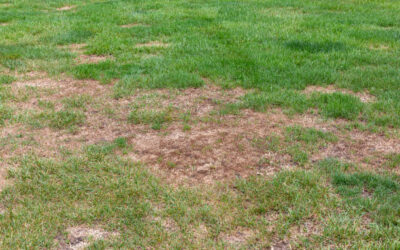

By late summer, many Charlottesville lawns are showing the strain of another season of heat, dry weather, foot traffic, pets, and regular use. Grass may appear thin or uneven, bare areas may be developing, and the soil beneath the lawn may feel increasingly hard and compacted.
For Central Virginia lawns planted with tall fescue and other cool-season grasses, fall offers the best opportunity to repair much of that damage. Core aeration and overseeding work together to relieve soil compaction, improve growing conditions, and introduce new grass into weak areas of an established lawn.
However, the quality of the results depends on more than simply spreading seed. Timing, soil moisture, seed selection, watering, mowing, and weed-control practices all matter. Preparing in advance helps ensure the work is completed within the ideal fall growing window and gives new grass the strongest possible start.
Why Fall Is the Best Time for Cool-Season Grass
Late summer through mid-fall is generally the best time to establish cool-season turfgrass in Virginia. Warm soil encourages seed germination, while cooler daytime and nighttime temperatures reduce stress on emerging seedlings. These conditions are especially favorable for tall fescue, Kentucky bluegrass, perennial ryegrass, and fine-leaf fescues.
Fall seeding also gives young grass time to develop roots before winter and continue maturing the following spring. Grass planted in spring has a much shorter window to become established before facing summer heat, drought, disease pressure, and competition from weeds.
Tall fescue is particularly well suited to Virginia’s Piedmont region, which includes Charlottesville and much of the surrounding Central Virginia area. Under favorable conditions, tall fescue seed can begin germinating within approximately five to seven days, although full establishment takes considerably longer.
Because the best seeding window is limited, homeowners should begin evaluating their lawns and scheduling service before fall arrives.
What Core Aeration Does
Core aeration uses specialized equipment with hollow tines to remove small plugs of soil from the lawn. Those openings create additional space for air, water, nutrients, and organic matter to reach the root zone.
This is different from simply poking holes into the ground. Removing actual soil cores helps reduce compaction and creates room within dense soil for roots to expand.
Compaction is especially common in lawns with:
- Heavy clay soil
- Frequent foot traffic
- Children or pets
- Regular equipment use
- Poor drainage
- Shallow grass roots
- Water that runs across the surface instead of soaking in
Central Virginia soils often contain substantial clay, which can become hard and tightly packed during dry summer weather. When the soil is compacted, grass roots may remain shallow and struggle to access moisture, oxygen, and nutrients.
A simple screwdriver test can offer a clue. When the soil is moist, try pushing a screwdriver approximately three inches into the ground. If it requires considerable force, compaction may be limiting the lawn. Virginia Cooperative Extension identifies core aeration as an effective way to improve turf establishment and move seed, fertilizer, lime, or compost into the soil.
Why Aeration and Overseeding Work Well Together
Overseeding introduces new grass seed into an existing lawn to increase turf density and repair areas that have become thin, worn, or bare.
One of the most important requirements for successful germination is good seed-to-soil contact. Seed that remains suspended in existing grass, thatch, or surface debris may dry out or fail to establish. Seed scattered over hard, compacted ground is also less likely to receive the consistent moisture it needs.
Core aeration opens the turf canopy and exposes soil throughout the lawn. When seed is distributed after aeration, some of it settles around the aeration holes, providing improved access to soil and moisture.
Aeration also helps address the compacted conditions that may have contributed to thinning in the first place. Overseeding then introduces younger grass plants to improve density and replace turf lost to heat, drought, traffic, disease, or normal aging.
Jack’s Lawn Care & Landscaping recommends pairing fall aeration with overseeding because the two services work together to reduce compaction, support root growth, and continually improve the density of an established lawn.
Evaluate the Lawn Before Fall
Before scheduling aeration and overseeding, take time to look closely at the lawn.
Identify areas that are:
- Bare or noticeably thin
- Heavily traveled
- Slow to absorb water
- Consistently muddy or poorly drained
- Shaded for much of the day
- Damaged by pets or equipment
- Struggling despite regular watering
It is also helpful to determine whether summer-brown grass is dormant or dead. Drought-stressed cool-season turf may regain color after cooler temperatures and adequate rainfall return. Areas that remain bare or fail to recover may require heavier overseeding or more extensive renovation.
Persistent lawn problems should also be considered before new seed is applied. Poor drainage, excessive shade, incorrect mowing height, disease, irrigation problems, or unsuitable grass varieties will not be permanently corrected by overseeding alone.
Choose the Right Grass Seed
The best grass seed is not necessarily the bag with the most familiar label. Seed should be chosen based on the lawn’s existing grass, sunlight, drainage, soil, traffic, and maintenance expectations.
Tall fescue is a common choice for Charlottesville-area lawns because it performs well in many Piedmont landscapes. However, improved cultivars can vary in color, density, disease resistance, texture, and tolerance of environmental stress.
Shaded portions of the property may require a different blend from sunny areas. Fine-leaf fescues are more shade tolerant than many other cool-season grasses, but they do not perform well in poorly drained soil.
Using high-quality, regionally appropriate seed can create a more uniform lawn and reduce the likelihood of introducing undesirable grass varieties or unnecessary filler.
Prepare the Property for Aeration
A few practical steps can make aeration safer and more effective.
Before service, mark anything that may be hidden within or just beneath the lawn, including:
- Irrigation heads
- Invisible pet fencing
- Shallow drainage lines
- Landscape lighting wires
- Septic components
- Utility access points
- Other underground features
Remove toys, hoses, furniture, sticks, and other debris. The lawn should be mowed beforehand, but it should not be scalped.
Soil moisture is also important. Ground that is extremely dry may be too hard for the aerator to penetrate properly, while saturated soil can become muddy and easily damaged. Virginia Cooperative Extension recommends aerating when soil is reasonably moist so the equipment can remove cores effectively.
Light watering before the appointment may be helpful if rainfall has been limited, but the lawn should not be soaked.
Plan for Watering New Seed
Consistent watering is one of the most important parts of overseeding success.
Newly applied seed must remain moist during germination. In many cases, this means short, frequent watering cycles that keep the upper layer of soil damp without creating puddles or runoff.
The exact schedule will depend on rainfall, temperature, soil, sun exposure, slope, and irrigation coverage. As seedlings emerge and roots begin growing, watering can gradually become deeper and less frequent.
Allowing the seedbed to dry repeatedly can interrupt germination and produce uneven results. Overwatering can also move seed, cause erosion, encourage disease, or create soggy areas.
Make sure sprinklers or hoses can reach every seeded section before the work is performed. Planning this ahead of time is much easier than trying to correct poor coverage after germination begins.
Protect the Lawn While It Establishes
New grass is delicate. Heavy traffic from children, pets, equipment, and repeated walking can displace seed or damage young seedlings.
Mowing should resume when the grass is tall enough to need it. Use a sharp blade and avoid removing more than one-third of the grass height during a single mowing. Avoid mowing when the soil is wet enough for wheels or footsteps to leave impressions.
Weed treatments must also be coordinated carefully. Many pre-emergent herbicides prevent grass seed from germinating along with weed seeds, while certain post-emergent products may injure young turf. Virginia Tech cautions that most pre-emergent herbicides are incompatible with new turf establishment.
Schedule Fall Lawn Care Before the Ideal Window Arrives
Fall aeration and overseeding can help a thin, compacted lawn recover from summer stress, develop stronger roots, and return with improved density. The best results come from properly timed service followed by consistent watering and thoughtful care. For professional core aeration and overseeding in Charlottesville, Albemarle County, and surrounding Central Virginia communities, contact Jack’s Lawn Care & Landscaping to evaluate your lawn, reserve your place on the fall schedule, and prepare your property for a thicker, healthier lawn.