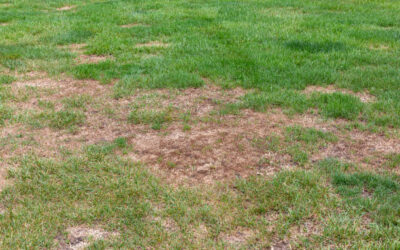

July can be a tough month for lawns in Charlottesville and Central Virginia. One week your yard looks full and green, and the next you notice brown patches spreading across the lawn. It is frustrating, especially when you have been mowing, watering, and trying to keep everything looking good.
The tricky part is that brown patches in July can come from more than one cause. Sometimes it is fungus. Sometimes it is heat stress. Sometimes it is drought. Sometimes it is a combination of all three.
That is why the solution is not always as simple as turning on the sprinkler or throwing down a treatment. In fact, the wrong response can sometimes make the problem worse.
At Jack’s Lawn Care & Landscaping, we see this every summer. Charlottesville lawns deal with hot afternoons, humid nights, compacted soil, clay-heavy areas, uneven irrigation, and plenty of turf stress. If your lawn is turning brown in July, here is how to start figuring out what is really going on.
Why July Is So Hard on Lawns
Most lawns in our area are made up of cool-season grasses, especially tall fescue. Tall fescue is a good choice for Central Virginia because it handles our climate better than many other cool-season grasses, but July still pushes it hard.
When temperatures climb, cool-season grass naturally slows down. Growth becomes less vigorous. Roots are under stress. The lawn may need more water, but too much moisture can invite disease. Add humid nights and heavy dew, and fungus can take advantage quickly.
That is why July brown patches are rarely random. They usually point to a lawn that is under stress from weather, watering patterns, soil conditions, mowing habits, or disease pressure.
Is It Heat Stress?
Heat stress often shows up when grass is struggling to keep up with high temperatures and dry conditions. The lawn may look faded, gray-green, straw-colored, or brown. You may notice more browning in sunny areas, along driveways and sidewalks, on slopes, or in places where the soil dries out quickly.
A heat-stressed lawn may also show footprints after you walk across it. Healthy grass blades spring back. Stressed grass often stays flattened.
In many cases, heat stress does not mean the lawn is dead. Cool-season grass can go semi-dormant during periods of summer heat. It may look rough for a while and then recover when temperatures cool and rainfall returns.
The key is to avoid making the stress worse. Cutting the lawn too short, watering at the wrong time, or fertilizing heavily in the middle of summer can all add pressure to turf that is already struggling.
Is It Fungus?
Fungal disease is also common in July, especially brown patch disease. Brown patch thrives in warm, humid conditions, which is exactly what Central Virginia often experiences in midsummer.
Brown patch usually appears as circular or irregular brown areas in the lawn. The grass blades may look tan, wilted, or damaged. In the early morning, especially when the lawn is wet with dew, you may notice a grayish or smoky-looking ring around the patch. Individual grass blades may have lesions or discolored spots.
One of the confusing things about brown patch is that the roots and crowns of the grass may still be alive. The disease often damages the blades, making the lawn look worse than it actually is. However, if the disease is severe or repeated year after year, the lawn can thin out and require fall repair.
Fungus is more likely when the lawn stays wet for long periods. Watering in the evening, watering too often, poor drainage, thick turf, shade, and limited airflow can all contribute.
How to Tell the Difference
Heat stress and fungus can look similar from a distance, but there are clues.
If brown areas are mostly in the hottest, driest parts of the yard, heat stress may be the main issue. This is common near pavement, in full sun, or where irrigation does not reach evenly.
If the patches are circular, spreading, or most noticeable after humid nights and wet mornings, fungus may be involved.
If the lawn has been watered frequently but still looks worse, fungus becomes more likely. More water is not always the answer. Overwatering can keep grass blades wet too long and create the perfect conditions for disease.
If the grass pulls up easily with little root structure, you may be dealing with another issue, such as insect damage or severe root decline. Brown patches are not always fungus or heat stress, which is why a closer look matters.
Common Mistakes Homeowners Make
When brown patches appear, many homeowners respond quickly. That is understandable, but some common reactions can hurt more than help.
The first mistake is watering every day. Lawns usually do better with deeper, less frequent watering in the early morning. Light daily watering keeps the surface damp but may not encourage deeper roots.
The second mistake is mowing too low. Short grass dries out faster, heats up faster, and has less leaf surface to support the plant. In summer, a slightly taller mowing height helps shade the soil and protect the crown of the grass.
The third mistake is fertilizing heavily in July. Cool-season lawns are already under stress in midsummer. Pushing lush growth during heat and humidity can make the lawn more vulnerable to disease.
The fourth mistake is assuming every brown spot needs the same treatment. A dry slope, a fungal patch, a compacted area, and a pet spot may all look brown, but they need different solutions.
What You Can Do Right Now
If your lawn has brown patches in July, start with the basics.
Water early in the morning, not at night. Morning watering gives the lawn moisture before the heat of the day while allowing grass blades to dry. Evening watering can leave the lawn wet overnight, which can encourage fungal disease.
Mow higher during summer. Taller grass is better equipped to handle heat and drought stress. Avoid removing more than one-third of the grass blade at a time.
Check your irrigation coverage. Many lawns have dry pockets where sprinklers do not overlap well. One area may be getting soaked while another barely gets water.
Limit foot traffic on stressed areas. Grass that is already struggling can be damaged more easily by repeated walking, playing, or equipment.
Avoid aggressive summer fertilizer applications. Save major lawn feeding and renovation work for the right season, especially fall, when cool-season grasses are better able to recover.
Improve airflow where possible. Trimming back overgrown shrubs, reducing heavy shade, and improving drainage can help reduce the conditions that allow fungus to thrive.
When Fungicide May Help
In some cases, a fungicide treatment may be appropriate, especially if brown patch is active and spreading. However, fungicide is not a magic fix for every brown spot.
Fungicide works best when the problem is correctly identified and when the lawn care habits around it are also addressed. If the lawn is still being overwatered, mowed too short, or kept too wet overnight, the disease pressure may continue.
For lawns that experience brown patch every summer, a preventive approach may be more effective than waiting until the damage is obvious. Timing matters.
Fall Recovery Starts in Summer
The good news is that many July lawn problems can be corrected or improved with the right plan. Even if your lawn looks rough in midsummer, fall is the best season for recovery work in Central Virginia.
Fall aeration, overseeding, and soil improvement can help fill thin areas, strengthen roots, and prepare the lawn for next year. If July brown patches keep returning year after year, that is often a sign that the lawn needs more than a quick summer fix. It may need better soil health, improved drainage, a stronger mowing and watering plan, or a more strategic lawn care schedule.
We Can Help
Brown patches in July can be frustrating, but you do not have to guess your way through it. Fungus, heat stress, drought, mowing height, irrigation problems, and soil conditions can all play a role.
At Jack’s Lawn Care & Landscaping, we help Charlottesville homeowners understand what their lawn actually needs, not just what it looks like from the curb. Whether your yard needs seasonal lawn care, mowing, landscape maintenance, aeration, overseeding, or a better long-term plan, our team can help you get ahead of the problem.
If your lawn is showing brown patches this summer, contact Jack’s Lawn Care & Landscaping today. We will take a closer look, identify what may be causing the damage, and help you build a healthier, better-looking lawn for the season ahead.