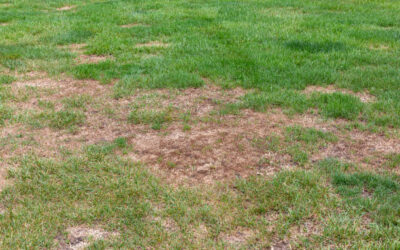

Winter in Central Virginia brings its own beauty, but it also brings a harsh reality for lawns. Cold temperatures, frost, ice, and snow can stress grass, shrubs, and soil long before spring arrives. Homeowners expect these natural challenges, but what many do not realize is that one of the biggest threats to a healthy yard during the winter is something that does not come from nature at all: road salt.
As soon as temperatures drop and icy mornings arrive, salt and de-icing products become a daily essential for roads, driveways, and walkways. They keep us safe from slippery surfaces, but they can be extremely damaging to the lawns and landscaping areas that sit along those edges. Salt damage is one of the top reasons homeowners start the spring season with thinning grass, bare patches, brown borders, and soil that struggles to support new growth.
The good news is that salt damage is preventable. With the right winter practices and early spring recovery steps, you can protect your lawn from the harmful effects of salt and help it bounce back stronger when warm weather returns.
Why winter salt causes lawn damage
Salt may look harmless, but it changes the chemistry of soil the moment it seeps in. While several types of de-icing agents exist, the most common one used on roads and driveways is sodium chloride. As the snow melts, water carries the salt into your lawn, where it begins to create several problems:
Salt draws moisture away from plant roots
Grass and plants need moisture to survive the winter. Salt pulls water out of the soil through a process similar to dehydration. When the roots lose moisture, they cannot function properly, causing the grass near driveways, sidewalks, and street edges to brown and die.
Salt disrupts soil structure
Healthy soil has a natural balance of nutrients that allow roots to absorb what they need. Salt adds excess sodium, which breaks down this structure and makes nutrients less available. Even after spring arrives, salt-contaminated soil can prevent new growth and make established grass struggle.
Salt can burn grass blades
When salt-laden slush splashes from driveways and roads, it can coat the blades of nearby grass. As the water evaporates, the salt remains, causing chemical burns that lead to brown, dry, or dead patches.
Repeated exposure makes the damage worse
Winter lasts for months, and every ice event adds more salt to the lawn. Damage compounds over time, which is why the edges of many properties look the worst when spring begins.
Understanding these challenges is the first step. The next step is protecting the lawn ahead of time.
How to prevent winter salt damage
There are several simple, effective ways homeowners can shield their lawns from salt stress. Many of these preventative steps begin before the first winter storm arrives.
Create a buffer zone
One of the easiest and most effective solutions is to create a physical barrier between salt and your grass. Use landscape edging, temporary barriers, or even burlap held by stakes to block salt spray from reaching delicate areas.
If you have shrubs or ornamental plants close to salted surfaces, wrapping them for the winter not only protects them from the cold but also shields them from salt exposure.
Choose the right de-icing product
Not all ice melt products are the same. While sodium chloride is the strongest and cheapest option, it is also the most damaging. Homeowners can switch to alternatives that are gentler on lawns, such as:
- Calcium magnesium acetate
- Potassium chloride
- Magnesium chloride
These melt ice effectively while reducing harm to plants and soil. Even using a blended product cuts down the overall salt load.
Shovel promptly
The sooner snow and slush are removed, the less salt you need to apply. Regular shoveling reduces the need for heavy doses of de-icer and limits buildup along lawn edges.
Avoid over-application
Most people use far more salt than needed. A thin, even layer is enough for most icy surfaces. Extra salt does not melt ice faster. It only increases the risk of damage.
If you hire a snow removal service, communicate that you want minimal use of salt near your lawn and hardscape edges.
Water lawn edges when conditions allow
On milder winter days above freezing, lightly watering the edges of your lawn can help flush away salt that may have started building up. Even a small rinse can reduce the concentration of sodium in the soil.
Signs your lawn has salt damage
When temperatures rise and snow melts, you may begin to see early indicators of salt stress. Common signs include:
- Brown or yellow grass along driveways and sidewalks
- Bare strips or thinning turf in straight lines matching salt-treated areas
- Soil that feels crusted
- Grass that does not green up in early spring like the rest of the yard
These patches may look dead, but recovery is possible with the right treatment.
How to repair salt-damaged areas in spring
If your lawn experiences salt stress over the winter, early spring care can bring it back to health.
Flush the soil
Water the affected area thoroughly and repeatedly to help wash the salt deeper into the soil, away from the root zone. This allows grass to access moisture and nutrients again.
Add gypsum
Gypsum (calcium sulfate) is one of the best soil treatments for salt damage. It helps displace sodium and replace it with calcium, making the soil more balanced and easier for roots to grow in.
Reseed damaged areas
Once soil is flushed and balanced, overseed or patch-seed the damaged borders. Choose a grass variety well suited for Charlottesville’s climate to ensure strong spring growth.
Add compost
A layer of compost helps repair soil structure, improves moisture retention, and reintroduces helpful microbes that salt may have disrupted.
With a little attention, most salt-damaged lawns can recover fully by late spring or early summer.
Winter care makes all the difference
Salt is an unavoidable part of winter in Central Virginia, but lawn damage does not have to be. With routine prevention and thoughtful spring recovery, homeowners can maintain a thick, healthy lawn year after year.
At Jack’s Lawn Care & Landscaping, we have helped hundreds of homeowners protect their yards from winter salt damage. We understand how Charlottesville’s winters affect soil health, grass growth, and long-term lawn resilience. If you want help preparing your lawn for winter, repairing salt damage in the spring, or creating a preventive maintenance plan, we are here to support you with reliable, knowledgeable service tailored to our local climate.